Blog · August 21, 2026 · 3 min read
Fake tattoo artist accounts are stealing deposits. Here is how to protect your clients.
Impersonators copy your grid, message people who commented on your posts, and collect deposits you never see. What the scam looks like, and the few things that make it stop working.
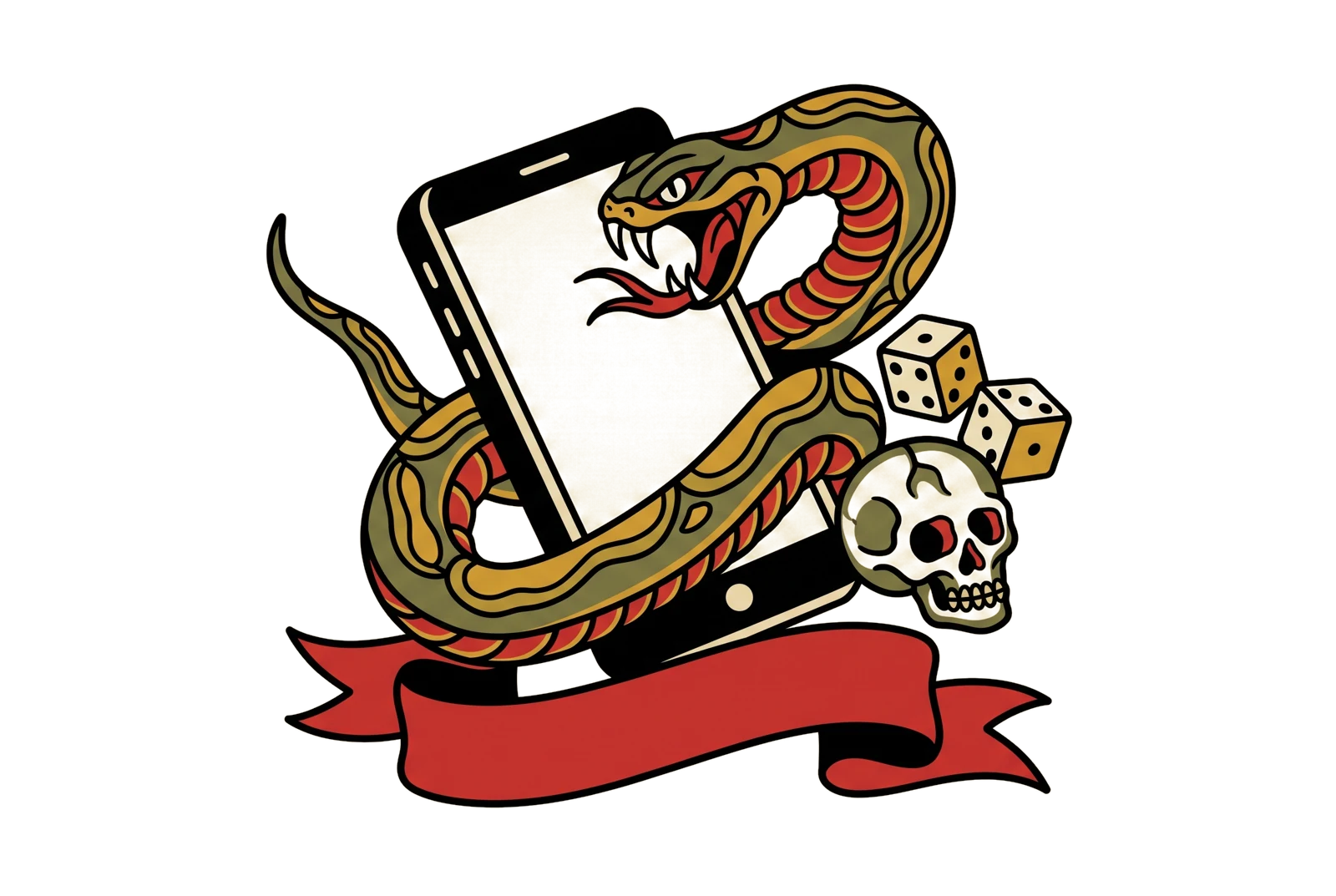
The scam is simple and it works. Someone creates an account with your name and a small typo, reposts thirty of your photos, and follows everyone who liked your last post. Then they message: "Hey, saw you liked my work, I have a cancellation Friday if you want it, deposit is $150 by Zelle." The client is thrilled, sends the money, and shows up to a studio that has never heard of them.
The artist finds out when the client arrives, or when the angry message comes in a week later. By then the fake account is gone and a new one is up.
Why it lands
The scam works because clients expect the process to be informal. Real artists do message from a personal account. Real artists do take deposits by Zelle. Real artists do have last-minute openings. Nothing in the fake message is out of character, and that is the whole trick.
So the defense is not to make your own process look more official. It is to make one thing true and to say it loudly: there is exactly one place a deposit request from you can come from.
What actually helps
One booking link, everywhere. Bio, website, pinned post, story highlight. Every client learns that requests go through the link and quotes come from it. A DM asking for money is then, by definition, not you.
Say it on the form. A line at the top of your booking page that reads something like:
This is the only place to book me. I will never ask for a deposit by DM. If an account claiming to be me asks for money, it is not me, even if the photos are mine.
Clients screenshot this. It is the sentence they remember when the fake account messages them.
Name your handles once. Your Zelle, Venmo, and Cash App handles belong on your booking page, not in messages. A client who has seen the real handle on the real page notices when a message names a different one.
Quotes come from a link, not a chat. When a real quote arrives as a page the client can open, with your name, the amount, and the times you offered, a chat message with a price stops looking legitimate by comparison.
Report and tell people. Report the account, then post a story: "There is a fake account using my photos and asking for deposits. I only book through my link." Your followers will report it too, and the ones who were about to send money will not.
What does not help much
- A watermark on every photo. Impersonators crop.
- Making the account private. It costs you clients and the scammer already has your photos.
- A verification badge. Nice to have, but clients rarely check, and the fake accounts are messaging people who have never seen your real one.
The part that is on the client
You cannot stop people from sending money to strangers. You can make sure that every client who has ever booked with you knows what a real request looks like, and that the difference is obvious. That is what a single, public booking page does that a DM cannot.
Etchra puts that notice on every booking page and every client link automatically, with your name and your real handles, so the sentence "this is the only place to book me" is something the client sees before they type, not something you have to say after the money is gone.