Blog · August 30, 2026 · 3 min read
How to run a flash day that fills without turning into a line out the door
Flash days are the easiest money in tattooing and the easiest way to burn a Saturday. Pricing, sheets, booking, and the walk-in question, from artists who do them well.
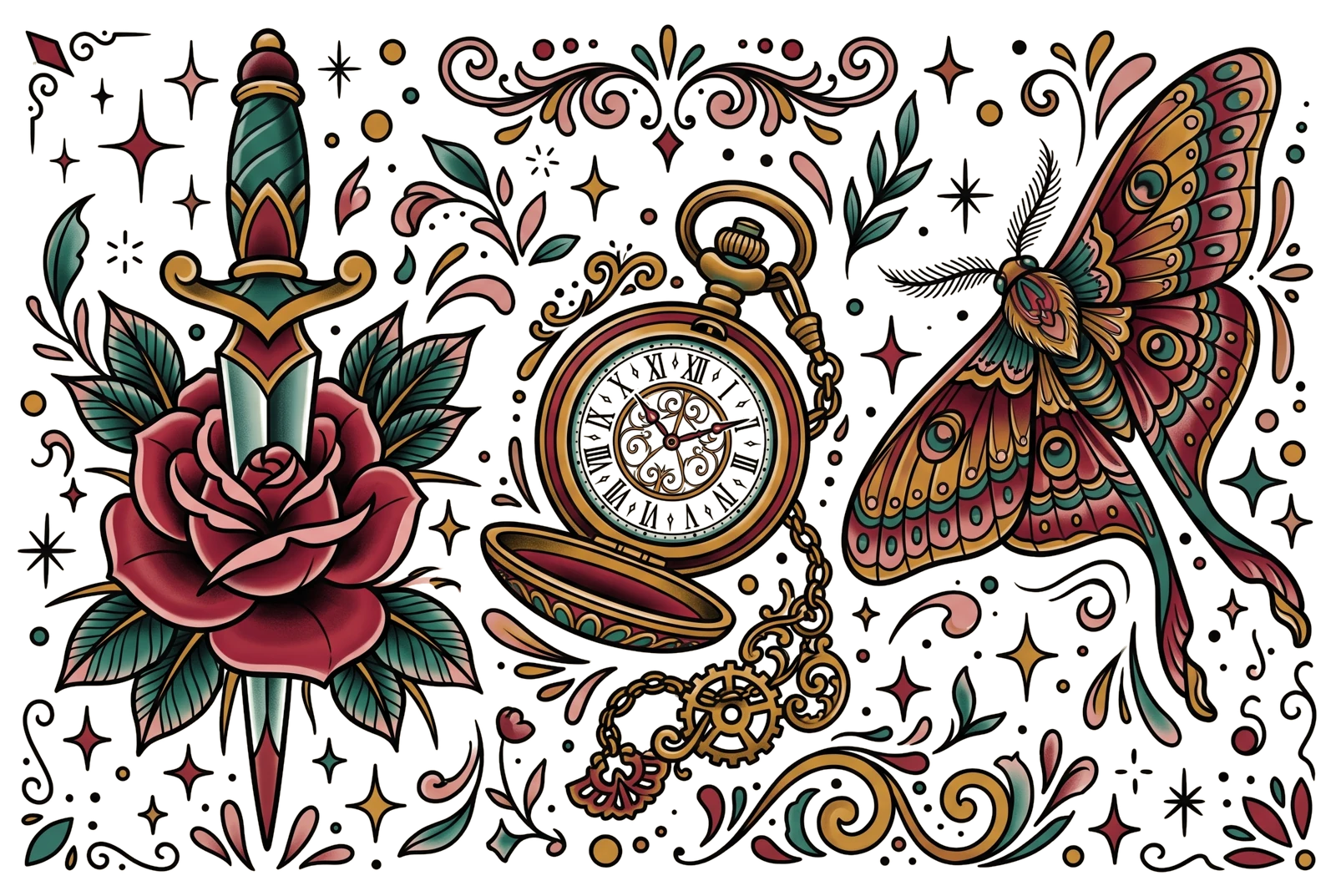
A flash day does three things a custom book cannot. It fills a slow month, it brings in clients who would never commission a piece, and it lets you tattoo designs you actually want to do. Done badly, it also produces a queue of people at eleven in the morning, half of whom leave before you get to them.
The difference is almost entirely in the booking.
Decide the shape first
Three formats, and they do not mix well:
- Booked slots. Every design is on a sheet a week ahead. Clients pick a design and a time. You know your day before it starts. Best for fine-line and small pieces where the session length is predictable.
- Walk-in only. First come, first served. Good for shops with foot traffic and several artists, brutal for a solo artist because you cannot control the pace.
- A mix. Booked in the morning, walk-ins after two. Works if you are strict about it. The moment you squeeze a walk-in into a booked gap, the afternoon slides.
If you are independent, book it. Walk-in days are for studios with a front desk.
Price by the sheet, not by the piece
Flash pricing is a promise: the price on the sheet is the price. Make the promise easy to keep.
- One price per size tier: small, medium, large. Three numbers, not thirty.
- Placement surcharges written on the sheet, not sprung at the counter. Hands, necks, ribs, and feet are the usual ones.
- Repeatable or one-off, stated per design. One-offs go up in price and come down off the sheet the moment they are booked.
Round numbers. Nobody wants to do arithmetic on a Saturday.
Sheets that sell
Post the sheet a week out, all at once, as a grid the size of a phone screen. Number the designs. A client who can say "number 12, small, forearm" has done your intake for you.
Keep the day's sheet to what you can actually tattoo in a day. Twenty designs on a sheet means twenty conversations about which ones are still available.
Booking it
Deposits still apply. A flash deposit is smaller, and it is the only thing that separates a booked day from a hopeful one. Fifty dollars holds a slot; it also stops the client who "might come by."
Your booking link should already know a flash request is not a custom request. The client picks the design, the placement, and the size, and skips the questions about references and budget that make no sense for a piece they are looking at. If your form asks a flash client to describe their idea, they will describe your drawing back to you.
Mark one-offs as taken the moment the deposit lands. Keeping a claimed design on the sheet is how you end up apologising to three people.
The day
Fifteen-minute buffers between slots. Stencils printed the night before, in slot order. A sign on the door with the day's remaining designs and "next opening" so the people who walk in anyway get a straight answer.
And a cut-off. Announce it, mean it, and be done at the hour you said. The people who miss it will book the next one.
On Etchra, flash lives on your public page beside the booking form: a client taps a design, the request comes in tagged as flash with the design attached, and a one-off drops off the page when its deposit is confirmed.