
Blog · September 6, 2026 · 3 min read
Tattoo aftercare instructions you can send with every booking
The same five questions arrive after every session. Send the answers before the client asks. Here is a plain-language aftercare sheet, and where to put it so it actually gets read.
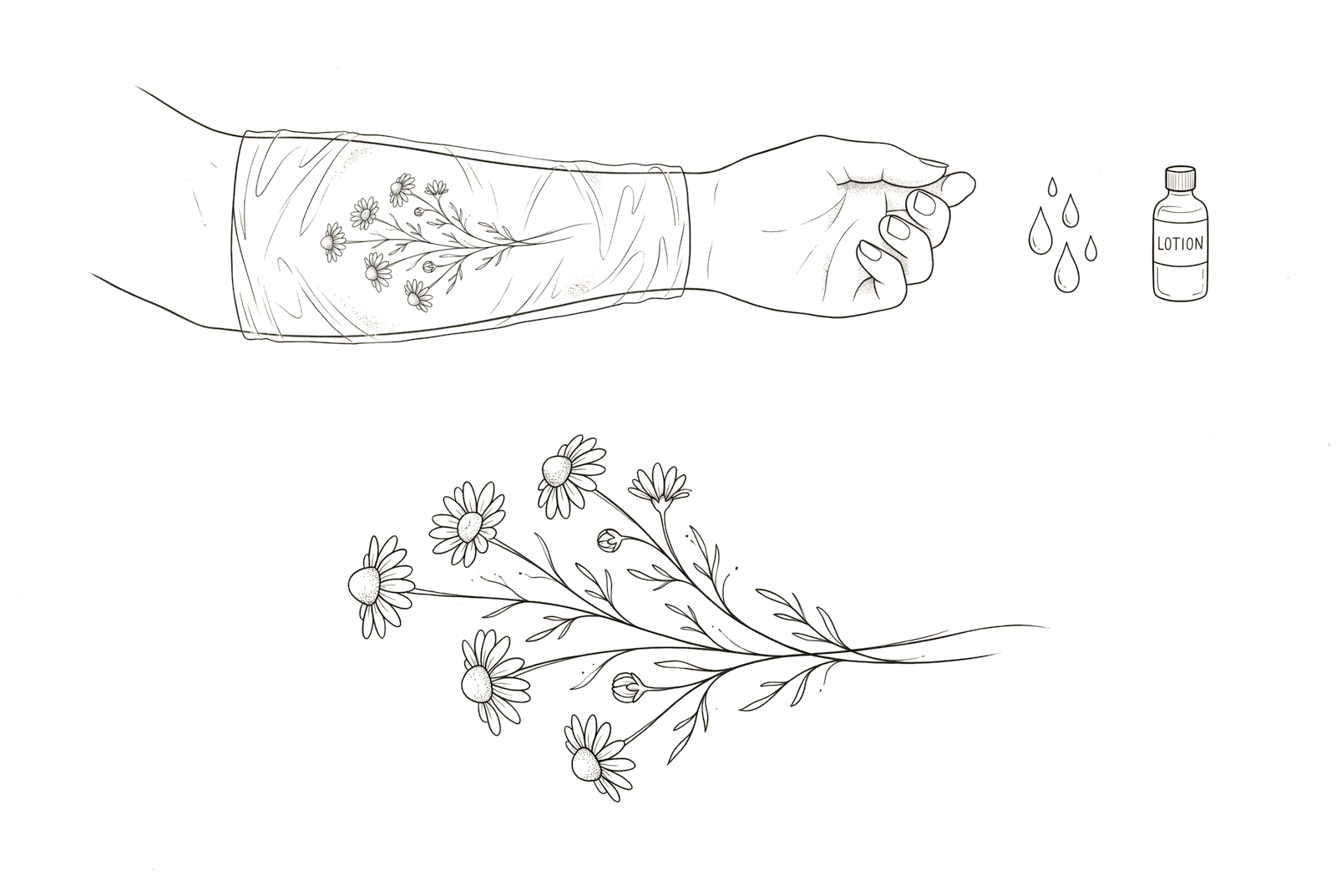
You have said "wash it with unscented soap" more times than you have said your own name. The client nods, leaves, and messages you at eleven that night to ask if they can shower. This is not a client problem. It is a delivery problem: the instructions were spoken once, at the exact moment the client was too full of adrenaline to keep them.
Write them down once, and put them where the client will look.
A sheet in plain language
Copy this, change what does not match how you work, and make it yours.
The first night. Leave the wrap on for the time I told you. When you take it off, wash the tattoo gently with warm water and unscented soap, using your hand, not a cloth. Pat dry with a clean paper towel. Let it breathe.
The first two weeks. Wash it twice a day the same way. After it is fully dry, apply a thin layer of the ointment or unscented lotion we talked about. Thin means you can barely see it. More is not better.
What is normal. Redness and tenderness for a few days. A little weeping the first night. Peeling and flaking after day three or four. Itching. A dull, cloudy look while it heals. All normal. Do not pick, scratch, or peel.
What to avoid. Soaking it: no baths, pools, hot tubs, or ocean for two weeks. Direct sun until it is healed, and sunscreen forever after. Tight clothes rubbing on it. The gym for the first couple of days if the piece is somewhere that sweats or stretches.
When to message me. Spreading redness, heat, swelling that gets worse after day three, pus, or a fever. I would rather hear from you and tell you it is fine than not hear from you.
Healed. Around a month. Send me a photo. If a spot needs a touch-up, we will sort it.
If you use second-skin style adhesive wraps, swap the first paragraph for your removal instructions and timing. If you do brows, they need their own sheet; the healing is different and the mistakes are different.
Where it goes
The sheet only works if the client sees it after they have calmed down. Three places, in order of how well they work:
- On the client's booking page. If your booking tool gives every client a page for their appointment, that is where aftercare belongs. They already know the link. They will open it that night looking for something else and find it.
- In the confirmation email. Sent the day of, not the day they booked. A client who booked six weeks ago will not search their inbox.
- On paper. Still worth handing over, mostly for the people who do not read email. Fold it into the receipt.
The studio wall is the worst place. Nobody reads it, and the one time it matters they are at home.
The two things the sheet cannot replace
The wrap conversation. Say the removal time out loud and write it on the wrap or the sheet. It is the one instruction that has a deadline.
The follow-up. A single message two days later, "How is it healing?", catches more problems than any sheet. It also produces the healed photos your portfolio needs.
On Etchra, the client's page is the same link they used to accept the quote and send the deposit, which is why aftercare goes there: it is the only tattoo-related page a client reliably has open on their phone during the week that matters.